
Last Thursday on January 29, a fishing boat from Gloucester, Massachusetts, activated their EPIRB at about 7 in the morning. The Coast Guard immediately launched a rescue effort but was unable to get a reply from the 72-foot Lily Jean, a well-known boat from this fabled fishing town.
She was skippered fifth generation Gloucester-man Gus Sanphilippo. His ancestors where the men who fished the Banks aboard saiiling schooners like the Blue Nose and who built fortunes off cod fish.
There were seven souls on board, and it is surmised that that steel-hulled vessel sank quickly. Search and rescue professionals were on scene within two hours. They found one unresponsive crew floating and an empty life raft. The remaining six crew were not found and after a 24-hour, 1,000-square-mile search, the rescue effort was called off.
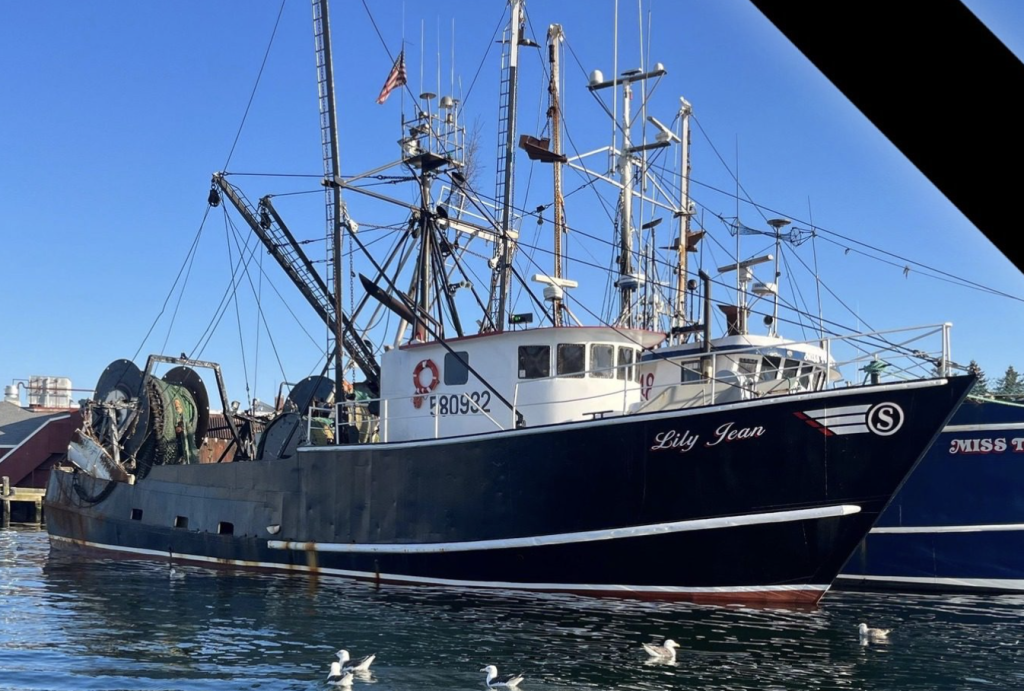
Gloucester has been one of the U.S.’s largest fishing ports for centuries. The boats from here ply the Grand Banks all through the fishing season and often face serious gales at sea, particularly in winter.
If you have read Sebastian Yunger’s book The Perfect Storm (or seen the movie with George Clooney), you have an idea of the kinds of seas these fishermen and women have to face. Last week saw a full nor’easter sweep over the region with winds in the 70s and reports of 60-foot waves.
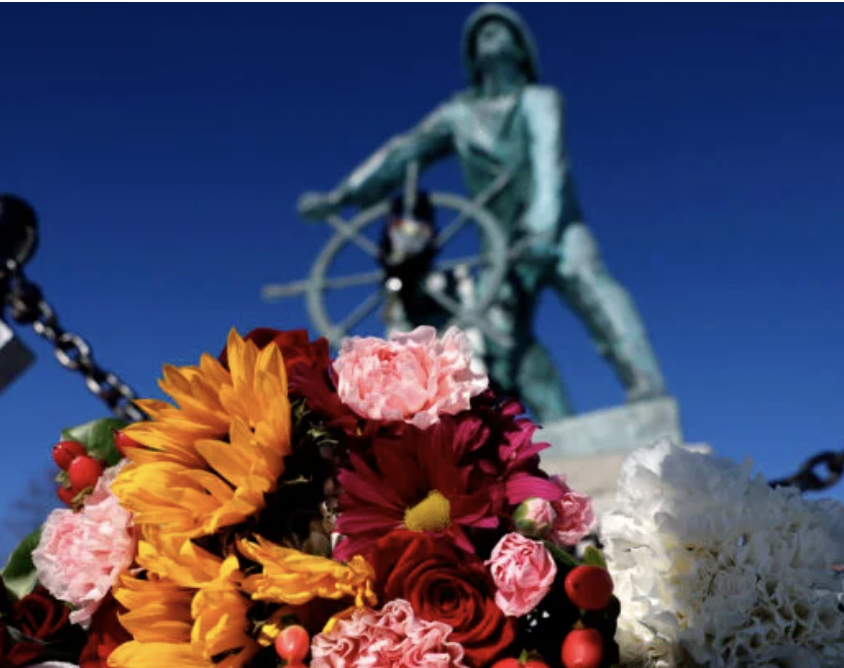
Gloucester is no stranger to the loss of human life in the North Atlantic fishery. Literally hundreds of locals over the years have met a watery end and are honored, mourned and missed by every citizen of this town. A monument to the lost stands high over Gloucester harbor, a Gloucester-man in a sou’wester steering a schooner’s wheel.
Too often when we report on stories like this of fellow seafarers lost in a tragedy, we only have the barest details of the boat and the crew. They are items in Coast Guard reports.
So, I thought this week, given the loss of seven souls, we’d bring you a look at who these brave folks were and what they left behind in a report on the website Boston.com.