
A rare total eclipse of the sun will move across North America on Monday, April 8, starting in Mexico, moving across the U.S. from Texas to Maine, and then exiting along the coast of Canada.
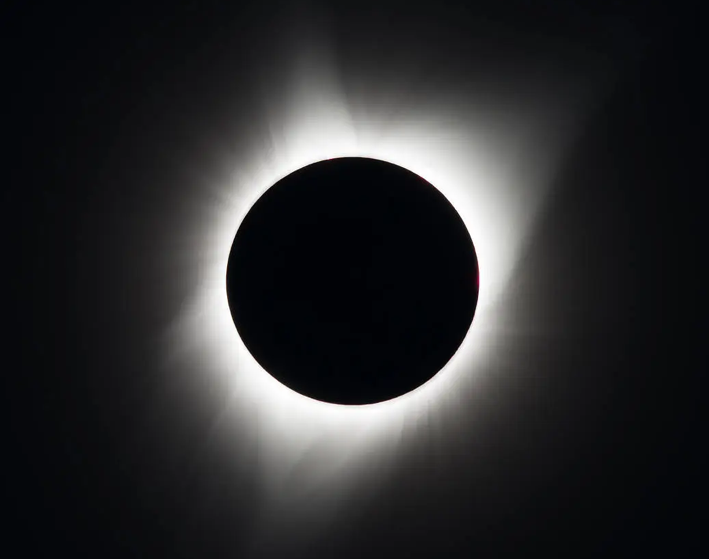
A total eclipse occurs when the Moon passes between the Sun and Earth, covering the full disk of the Sun and briefly revealing the Sun’s corona, its wispy, white outer atmosphere.
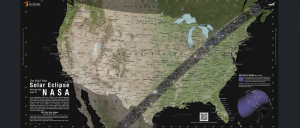
You can watch the eclipse anywhere along its route (see the NASA map). If you’re in the “path of totality,” you’ll experience a period of total darkness as the umbra, the darkest part of the Moon’s shadow, passes overhead. But you can see a partial eclipse even if you’re not in its direct path.
Watching the eclipse from the deck of your boat, away from the distracting lights of land, would be a special treat. But you need heightened situational awareness as the eclipse may draw a crowd of other boaters, and you need to look out for floating logs and other end-of-winter debris that may be in the water this time of year.
Here are some tips from the Sea Tow Foundation about how to enjoy the eclipse, and stay safe at the same time.
1.Check the NASA website (see the link below) for the exact time of eclipse in your specific area. Head out well in advance; you don’t want to miss it while you’re looking for a place to anchor.
2.The eclipse will cause darkness like the middle of night in its path of totality, and the daylight will be like dusk or early dawn before and after the eclipse. Make sure your nav lights are on.
3.Buy solar eclipse glasses. Without proper eye protection, you could burn your retinas if you look directly at the Sun, causing permanent damage. Eclipse glasses should be certified by the American Astronomical Society.
4.Get anchored and stay away from channels and bridges; make sure your anchor sticks so you don’t drift.
5.Make sure everyone on board wears a life jacket, since it will be very dark during the eclipse.
6.Carry a spotlight in case another boat is heading your way and doesn’t see your boat.
7.Don’t forget sunscreen. Both before and after eclipse you’ll be in direct sunlight.
This eclipse will be the second total eclipse in the past seven years. The NASA picture shows the 2017 eclipse as seen from Madras, Oregon. If you miss the eclipse on Monday, you’ll have to wait a while. The next one won’t happen until August 23, 2044.
Read more at https://science.nasa.gov/eclipses/future-eclipses/eclipse-2024/ and see the video below: